
Are You Giving a Massage
or Listening Through Your Hands?
Are You Giving a Massage
or Listening Through Your Hands?
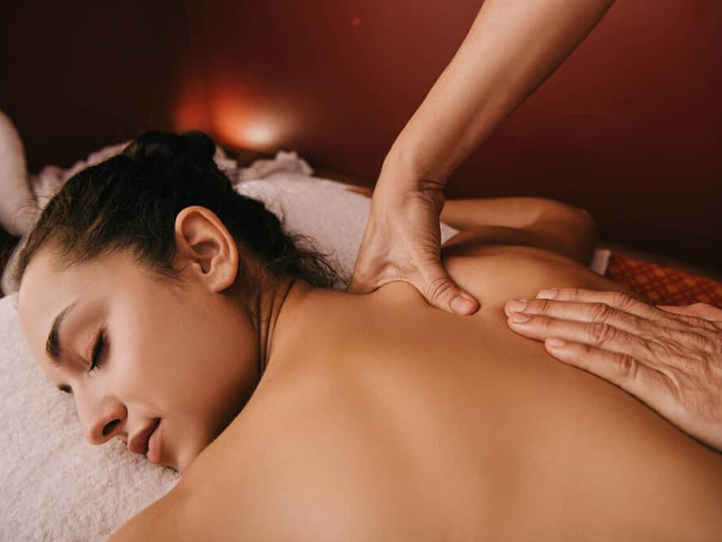
A client said something to me recently that stopped me in my tracks.
She told me that she had received many massages over the years, but often they felt automatic.
The therapist may have been skilled. The pressure may have been good. The routine may have been performed correctly.
But something was missing.
Then she described her experience with me differently.
She said she felt that I was actually there with her. That I wasn’t simply performing a routine. That I was listening to her body.
She described the experience almost like a dance—two people participating in the session rather than one person simply performing massage on another.
After more than 25 years as a massage therapist and educator, I believe she put into words one of the biggest differences between an average massage and exceptional massage therapy.
Massage Can Become Automatic
Most massage therapists begin their careers by learning sequences.
We need them.
We learn where to begin, how to transition, how much time to spend on different areas, how to drape properly, how to position the body, and how to complete a session within 60 or 90 minutes.
There is nothing wrong with that.
Protocols create safety, consistency, and confidence.
The problem begins when the therapist never progresses beyond the protocol.
The session becomes:
- Back.
- Leg.
- Other leg.
- Turn over.
- Arms
- Neck.
- Done.
The hands may still be moving beautifully, but the therapist is no longer truly listening.
And guests can feel the difference.
The Body Is Constantly Giving You Information
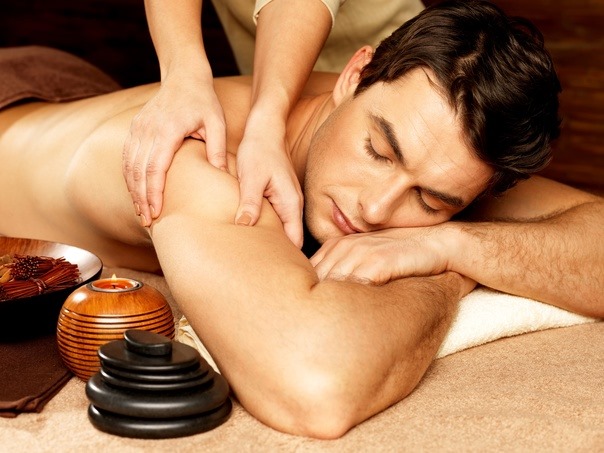
When I work with someone, I am paying attention to far more than simply where the muscles feel tight.
I am noticing:
- How does the tissue respond?
- Where does the body resist?
- Where does it soften?
- Does the guest suddenly take a deeper breath?
- Is one side moving differently from the other?
- Does the person appear to guard an area?
- What changes after I work somewhere else?
- Does this area need more pressure—or actually less?
- Should I keep moving, or is the body asking me to stay here a little longer?
These observations don’t require mystical abilities.
They require presence.
They require curiosity.
They require the therapist to stop assuming that every body should receive the same massage.
Your Protocol Should Be a Framework, Not a Prison
I believe strongly in protocols.
I teach them.
We use them in our spa.
Consistency is extremely important, especially when developing a professional team.
But a protocol should provide a therapist with a foundation from which to work.
It should never prevent the therapist from thinking.
The more experienced you become, the more your protocol should move into the background.
You know your draping.
You know your transitions.
You know the anatomy.
You know your timing.
Now you have mental space to pay attention to the individual underneath your hands.
That is where real customization begins.
Technique Is Not the Same as Connection
Massage therapists spend enormous amounts of time collecting techniques.
Another certification.
Another modality.
Another tool.
Another weekend course.
Education is important, and I have spent my career studying around the world.
But eventually every therapist needs to understand something:
Your client does not experience your certifications. They experience you.
They experience whether you are rushed.
Whether you are distracted.
Whether you are mentally thinking about your next client.
Whether you are simply executing a memorized routine.
Or whether, for that hour, you are genuinely present with them.
You could know 100 techniques and still provide an uninspiring massage.
Another therapist may use five techniques with extraordinary awareness and create an unforgettable experience.
Technique gives you vocabulary.
Presence teaches you how to have the conversation.
Listening Through Your Hands
One of the phrases I use with therapists is:
Listen through your hands.
Your hands shouldn’t simply deliver pressure.
They should gather information.
- Touch
- Wait
- Notice
- Respond
Sometimes the most skilled decision you can make is not adding another technique.
It is slowing down.
Sometimes it is changing your pressure.
Sometimes it is working somewhere completely different from where the guest originally complained of discomfort.
Sometimes it is simply giving the nervous system enough time to respond.
That requires confidence because you are no longer hiding behind a routine.
You are practicing massage as an art.
The Guest Should Feel That the Session Was Created for Them
One of the greatest compliments a therapist can receive is not:
“That was a great massage.”
It is:
“I felt like that massage was made for me.”
That is what customization should mean.
Not merely asking:
“Would you like light, medium, or deep pressure?”
True customization means the therapist remains engaged throughout the entire experience.
The session evolves based on what the therapist observes and what the guest communicates.
The treatment becomes a collaboration.
Almost a dance.
There may be moments when the therapist leads.
There may be moments when the body leads.
And the best therapists learn when to do each.
This Is the Next Level of Our Profession
Massage therapy doesn’t need more people who can memorize routines.
We need therapists who can think.
Therapists who can observe.
Therapists who can communicate.
Therapists who understand anatomy but never forget the human being.
Therapists who are technically excellent but emotionally present.
Therapists who are curious enough to ask:
“What does this person need today?”
—not—
“What comes next in my routine?”
“What does this person need today?”
—not—
“What comes next in my routine?”
That shift changes everything.
It changes the massage.
It changes the guest experience.
It changes client retention.
And ultimately, it changes the therapist.
Because when you stop simply performing massage and begin practicing the art of massage therapy, your work becomes interesting again.
Every body becomes different.
Every session teaches you something.
Every guest becomes an opportunity to listen.
Before Your Next Treatment
So before your next treatment, ask yourself one question:
Am I about to perform my massage—or am I prepared to listen to this person?
Then place your hands on the guest.
Be present.
Stay curious.
And listen.
Don’t just touch the body. Listen through your hands.
— Maciek Lyko, LMT
Massage Therapist • Educator • NCBTMB CE Provider